
IVF in Nepal: A Complete Guide for Couples Starting Their Fertility Journey
September 9, 2026 · General Posts
For many couples in Nepal, hearing the word "infertility" can feel isolating — even though it's far more common than most people realize. Globally, roughly 1 in 6 couples experience difficulty conceiving, and in-vitro fertilization (IVF) has helped millions of them become parents. If you're exploring IVF in Nepal for the first time, this guide walks you through exactly what it is, how it works, what it costs, and how to know if it's the right path for you.
What Is IVF, Exactly?
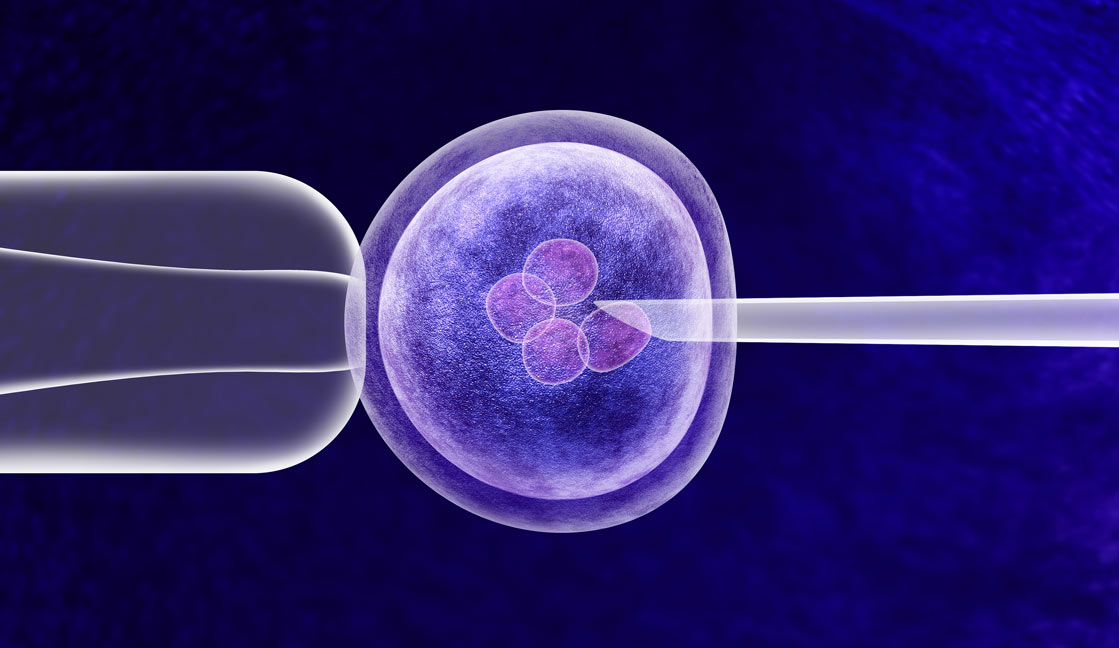
IVF (in-vitro fertilization) is a fertility treatment where an egg and sperm are combined outside the body, in a lab, to create an embryo. Once the embryo develops for a few days, it's transferred into the uterus, where it can implant and grow into a pregnancy — just like a natural conception, but with the fertilization step happening in a lab instead of the fallopian tube.
IVF is typically recommended when:
Fallopian tubes are blocked or damaged
There's male-factor infertility (low sperm count or motility)
Ovulation disorders like PCOS haven't responded to simpler treatments
Endometriosis is affecting fertility
Unexplained infertility has continued for more than a year
A couple is using donor eggs, donor sperm, or a gestational carrier
The IVF Process, Step by Step
Understanding the process can make it feel far less overwhelming. Here's what a typical IVF cycle looks like:
1. Initial consultation and testing Your fertility specialist reviews your medical history and runs tests — hormone panels, ultrasounds, and a semen analysis for the male partner — to identify the underlying cause of infertility and design a treatment plan.
2. Ovarian stimulation The woman takes hormone injections for about 8–14 days to stimulate the ovaries to produce multiple eggs (instead of the single egg released in a natural cycle). Regular ultrasounds and blood tests track follicle growth.
3. Egg retrieval Once the eggs are mature, a short procedure under sedation retrieves them from the ovaries. It usually takes 15–20 minutes and recovery is quick.
4. Fertilization In the lab, eggs are combined with sperm — either by mixing them together or, in cases of male-factor infertility, injecting a single sperm directly into each egg (a technique called ICSI).
5. Embryo culture Fertilized eggs are monitored in the lab for 3–5 days as they develop into embryos.
6. Embryo transfer One (or occasionally more) healthy embryo is placed into the uterus using a thin catheter — a painless procedure that doesn't require anesthesia.
7. The two-week wait About 10–14 days later, a blood test confirms whether implantation was successful.
How Successful Is IVF?
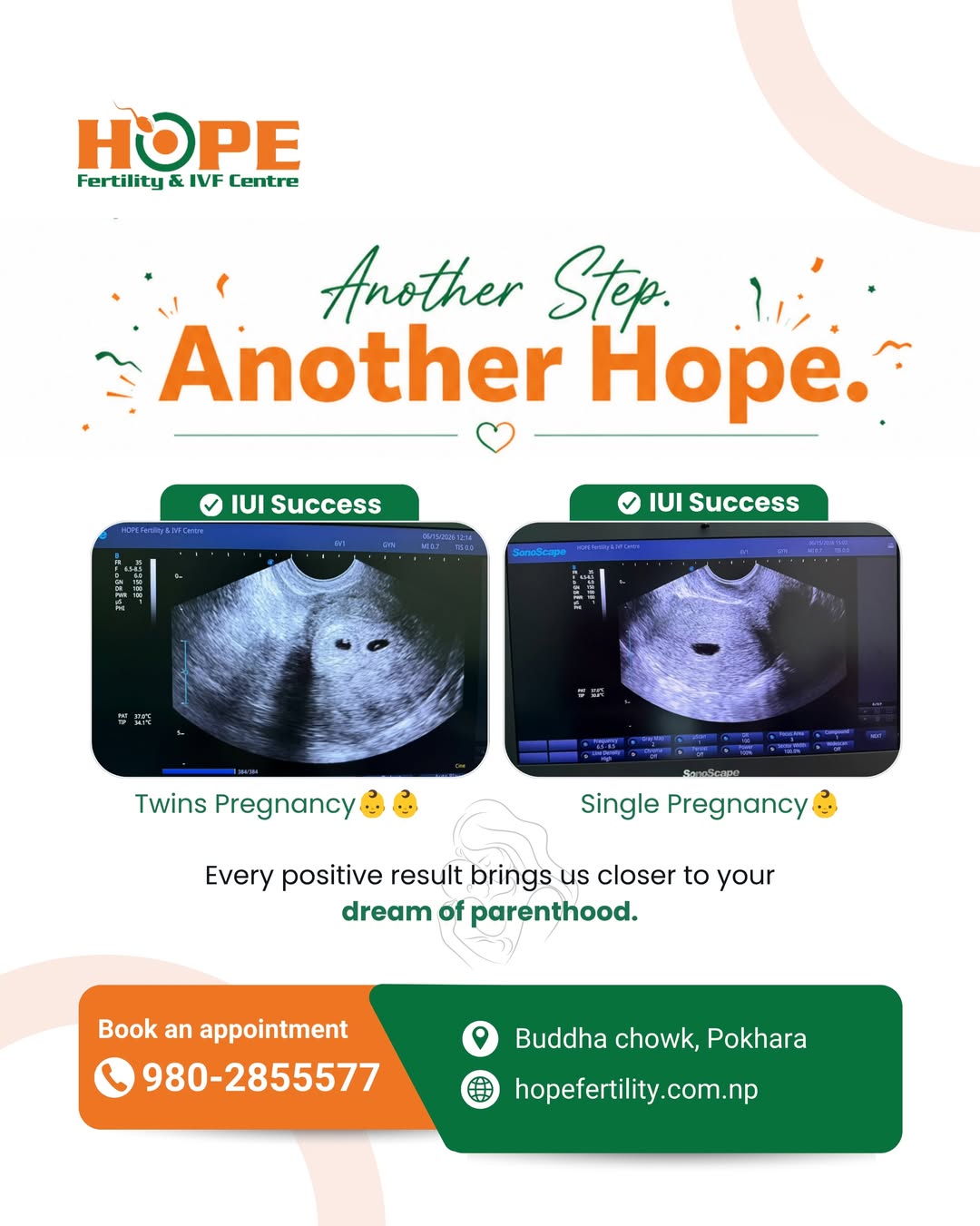
Success rates depend heavily on age, the cause of infertility, and embryo quality. As a general benchmark:
Under 35: success rates are generally highest
35–40: success rates gradually decline
Over 40: success rates drop further, though donor-egg IVF can significantly improve outcomes
It's worth noting that IVF often isn't a one-cycle solution. Many successful pregnancies happen on the second or third attempt, which is why choosing a clinic that's transparent about realistic expectations — rather than overpromising — matters enormously.
What Does IVF Cost in Nepal?
One of the biggest advantages of pursuing fertility treatment in Nepal is cost. IVF here is significantly more affordable than in the US, UK, Australia, or even neighboring India in some cases, while still following international treatment protocols. Costs vary based on:
Whether donor eggs/sperm are needed
Whether ICSI is required
Number of cycles
Medication dosage (which varies by individual response)
We recommend a personalized consultation for an accurate cost estimate, since every treatment plan is different.
Common Myths About IVF
"IVF always works on the first try." Not necessarily — and a good clinic will tell you this honestly rather than promising guaranteed results.
"IVF babies are less healthy than naturally conceived babies." Decades of research show IVF-conceived children are just as healthy as those conceived naturally.
"IVF is only for older women." IVF is used across a wide age range and for many different causes of infertility, not just age-related decline.
"If IVF fails once, it won't ever work." Many couples conceive successfully after adjusting the protocol based on what was learned in a previous cycle.
Is IVF Right for You?
If you've been trying to conceive for over a year (or six months if you're over 35) without success, it's a good time to speak with a fertility specialist. Even if IVF isn't your first step, a proper evaluation can identify simpler treatments — like ovulation induction or IUI — that might work before more advanced options are needed.
Starting Your Journey with Hope Fertility
Every fertility journey looks different, and the right treatment plan depends on your specific situation. At Hope Fertility, our specialists take the time to understand your history, explain your options clearly, and build a plan around your goals — without unnecessary steps or pressure.
If you're ready to take the next step, book a consultation with our fertility specialists to discuss your options.
Frequently Asked Questions
How long does one IVF cycle take? From the start of ovarian stimulation to the pregnancy test, one cycle typically takes 4–6 weeks.
Is IVF painful? Most patients describe mild discomfort rather than pain — injections cause minor soreness, and retrieval/transfer procedures are done under sedation or are painless.
Can lifestyle changes improve IVF success? Yes. Maintaining a healthy weight, reducing alcohol and smoking, managing stress, and following your doctor's guidance can all support better outcomes.
How many embryos are transferred at once? Most clinics now recommend transferring a single embryo to reduce the risks associated with multiple pregnancies, especially with good-quality embryos.